Holly: A Festive Embroidery Design
As an embroidery designer and product reviewer, I’ve evaluated countless machine embroidery designs. Holly stands out as a versatile and visually appealing option for holiday projects. Its clean lines, classic shape, and festive energy make it ideal for a range of applications, from custom apparel to home decor. But like any design, it has its strengths and limitations that need careful consideration before use.
The First Impression of Holly
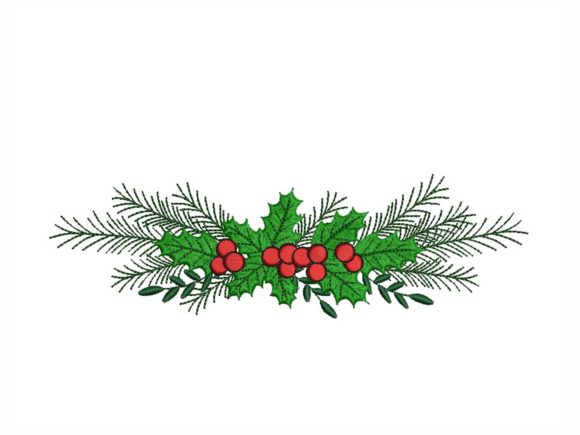
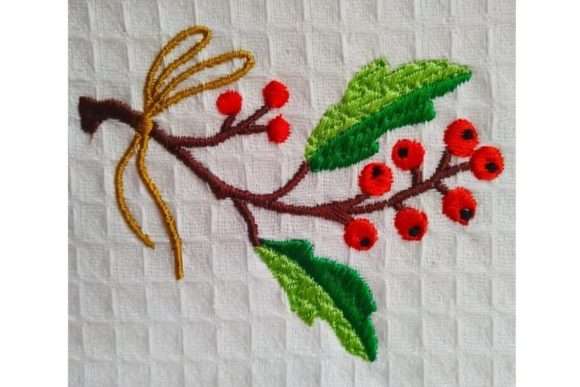
From the moment I opened the embroidery file, Holly exuded a warm, traditional Christmas vibe. The design features a stylized holly leaf with berries, rendered in a way that feels both modern and nostalgic. The layout is balanced, with enough detail to be recognizable without being overly complex. It’s not a highly detailed floral design, but rather a simple yet elegant motif that fits well with the holiday theme.
The visual personality of Holly is friendly and approachable. It doesn’t scream “holiday” in a loud or garish way, which makes it more adaptable for different types of projects. Whether you’re creating a subtle embroidered patch or a bold tote bag design, Holly can fit depending on how it’s scaled and used.
Real-Life Use Cases for Holly
I tested Holly on several fabrics and project types to see how it would perform in real-world scenarios. One of the first applications I considered was a custom tote bag design. The size and layout of the design made it perfect for a mid-sized hoop, allowing for clear stitching without overcrowding the space. On a cotton tote, the satin stitch on the berries looked smooth and polished, while the fill stitches on the leaves were consistent and even.
For a sweatshirt embroidery project, Holly worked well when placed on the front or back. The design didn’t require excessive stitch density, which helped maintain the softness of the fabric. On a baby onesie, the design was small enough to avoid overwhelming the garment, and the thread colors contrasted nicely against light-colored fabrics.
Another practical use case was as an embroidered patch. Holly’s dimensions allowed for a clean, sharp look when stitched onto a backing fabric. The design held up well during the applique process, and the edges remained crisp without fraying.
Where Holly Needs Careful Handling
While Holly is generally easy to work with, there are certain situations where it requires more attention. For instance, when using it on small hoop sizes, the design may need to be split into sections to ensure proper placement and stitching. On textured fabrics, such as linen or burlap, the design might not sit as smoothly, and additional stabilizer may be necessary to prevent puckering.
Thin or stretchy fabrics also pose a challenge. On materials like polyester blends or spandex, the design could lose some definition if not properly stabilized. Dark fabrics may require a different thread color to ensure visibility, especially if the design is meant to stand out against the background.
When working with curved surfaces, such as caps or hats, the design may need slight adjustments to accommodate the shape. Tiny details, like the berries, could become less distinct if the stitch density is too low. It’s important to test the design on scrap fabric before committing to a final project.
Impact on Visual Appeal and Customer Perception
Holly adds a touch of holiday charm to any finished product. When stitched correctly, it enhances the visual appeal of custom apparel, handmade gifts, and boutique merchandise. Its simplicity allows it to blend well with other design elements, making it a great choice for layered embroidery projects.
From a customer perspective, Holly feels familiar and welcoming. It’s the kind of design that people recognize instantly, which can help build trust in a handmade product. For Etsy sellers and small shop owners, this familiarity can translate into better engagement and higher conversion rates.
When used in commercial embroidery projects, Holly maintains a professional look that aligns with brand consistency. It’s suitable for both personal and commercial use, provided the licensing terms allow for it. As a digital product seller, I appreciate that the design can be easily integrated into printable mockups and digital design assets.
Practical Designer Notes for Using Holly
Before using Holly in any project, I recommend testing it on scrap fabric. This helps identify any issues with stitch density, thread color contrast, or stabilizer needs. If you’re planning to use it on dark fabrics, consider adjusting the thread color to ensure visibility.
Check the hoop size required for the design. If your machine has limited space, you may need to adjust the layout or split the design into sections. Inspect the small details, like the berries and leaf edges, to make sure they remain sharp after stitching.
Test the design in black and white mockups to see how it looks without color. Compare it against both light and dark fabric backgrounds to determine the best thread color options. Always use the appropriate stabilizer for the fabric type, and confirm whether the design is suitable for both personal and commercial use.
Finally, review the licensing terms before selling finished items or digital products. Even though Holly seems straightforward, understanding the rights associated with the design is essential for protecting your business and your customers.