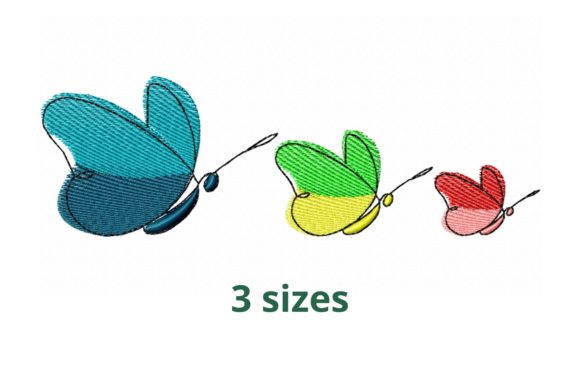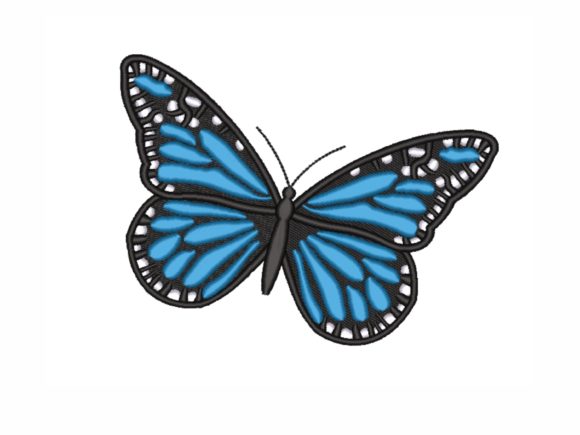
Blue Butterfly Embroidery
The Blue Butterfly embroidery design is a fresh, elegant choice for craft fair sellers and handmade product creators. Its delicate yet striking appearance makes it ideal for a wide range of applications, from tote bags to decorative pillows. As an experienced embroidery designer, I’ve evaluated this piece with the goal of understanding how it will perform in a real-world setting—especially at a busy weekend craft fair booth.
First Impressions: A Delicate Statement
From the first glance, the Blue Butterfly feels soft and modern. It’s not overly bold, but its clean lines and subtle color palette make it stand out in a crowd. The design has a premium feel that can elevate any handmade product, whether it's a simple apron or a custom pillow cover. This is the kind of design that draws attention without overwhelming the viewer, making it perfect for a booth display where visual appeal is key.
Where Blue Butterfly Shines
This design excels on products that allow it to be the focal point. Tote bags, for instance, become instantly more appealing with the addition of the Blue Butterfly. It also works well as an apron embroidery, adding a touch of elegance to kitchen wear. Tea towel embroidery with this design feels both functional and decorative, while embroidered patches offer a subtle way to incorporate the butterfly into clothing or accessories.
On fabric pouches and market bags, the Blue Butterfly adds a personal, handmade quality that customers love. For small shop product displays, it provides a cohesive look that can help build brand consistency. As a printable mockup, it offers a clear representation of how the finished product will appear, which is essential for Etsy sellers and digital sellers looking to showcase their designs online.
Practical Selling and Production Considerations
The Blue Butterfly design is easy to understand at a glance, which is important for a craft fair booth where customers often make quick decisions. It can be used as a small accent or scaled up for a larger focal design, giving it versatility across different product types. When photographed for online listings, it maintains its clarity and charm, which is crucial for attracting buyers who may never see the physical item before purchasing.
From a production standpoint, the design appears repeatable for batch embroidery. However, it’s important to check stitch density and ensure that the design doesn’t become too dense in certain areas. This can affect how it looks on different fabrics, especially when working with thick materials or textured surfaces like towels.
Careful-Use Notes for Embroidery Designers
While the Blue Butterfly is a beautiful design, there are a few details to keep in mind. Tiny details may require careful stitching to avoid losing clarity, especially on smaller items. When using it on curved cap surfaces or dark fabrics, thread colors should be chosen carefully to ensure visibility. Additionally, if the design is used on a fabric with a lot of texture, it may not show as clearly as it would on a smooth surface.
For commercial embroidery projects, it’s important to confirm the licensing terms before selling finished products. If you’re planning to use this as a digital embroidery file, test it on scrap fabric to ensure it works well with your machine and stabilizer. Always review spacing and hoop size to avoid any issues during the actual production process.
Visual Appeal and Customer Engagement
The Blue Butterfly adds visual appeal to any product it’s applied to. Its soft, fresh style can draw in customers who are looking for something unique and artistic. On a booth display, it stands out as a high-quality handmade product that feels special and well-crafted. This kind of design can increase buyer engagement, as it invites customers to ask questions and learn more about the product.
As a small shop product, the Blue Butterfly helps establish a sense of brand consistency. Whether it's used on a tote bag design or a handmade gift, it reinforces the idea that your products are thoughtfully made and visually appealing. For Etsy sellers, this design can serve as a strong selling point that sets your items apart from the competition.
Embroidery Designer Tips for Success
Before committing to a large batch of Blue Butterfly embroidery, create at least one real mockup to see how it looks on the intended fabric. Check thread contrast to ensure the design stands out, and inspect stitch density to avoid any issues with fabric distortion. Use the right stabilizer for the material you're working with, especially when dealing with thick or textured fabrics.
Compare fabric colors to ensure the design looks good in all variations. If you're using this as a craft fair product, consider how it will appear in different lighting conditions. Finally, always confirm the commercial licensing of the design before selling finished products to avoid any legal issues.
Final Thoughts on Blue Butterfly
The Blue Butterfly embroidery design is a versatile and attractive option for anyone looking to add a touch of elegance to their handmade products. It performs well on a variety of items, from tote bags to pillow covers, and has the potential to stand out in a crowded craft fair booth. With proper testing and attention to detail, it can become a valuable addition to any embroidery business or handmade shop.
As an embroidery designer, I recommend experimenting with this design on different fabrics and sizes to find the best application for your specific products. Whether you're an Etsy seller, a boutique maker, or a Cricut and embroidery crafter, the Blue Butterfly offers a great opportunity to create visually appealing, sellable items that resonate with customers.